
Archival Education Programme for Schools
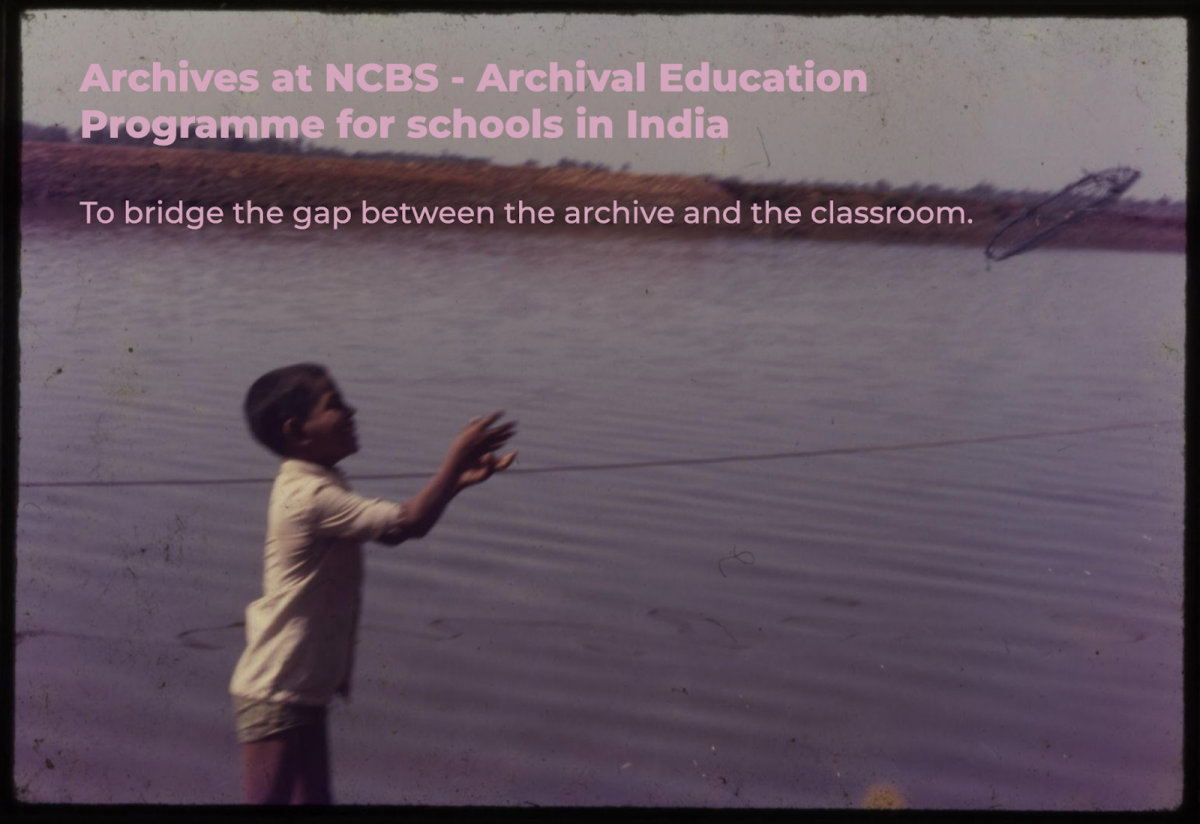
MS-019-3-1-6-10, Young boy with a fish trap in Uttara Kannada region,1986-1988, RJ Ranjit Daniels Papers, Archives at NCBS.
The Archival Education Programme focussed on school students and teachers at the Archives at NCBS hopes to steer learning using archives, and toward understanding archives. The aim is to lead and inspire pioneering outreach in education using archival records through fostering community, collaborative engagement and inclusive practice while working in partnership with schools and educational organisations. This programme is made possible with generous support from the TNQ Foundation.
About the Archives at NCBS:
The Archives at NCBS (https://archives.ncbs.res.in) is a public collecting centre for the history of science in contemporary India. It has over 350,000 processed objects across over 55 collections in various forms, ranging from paper-based manuscripts to negatives to photographs, books, fine art, audio recordings, scientific equipment, letters, and field and lab notes. The 2000-square-feet state-of-the-art physical centre at NCBS includes space for research, processing, exhibitions, recording, and a leading-edge storage facility with monitors for temperature, light, humidity, air quality, water, fire, pests, and noise. Most of the archival catalog is available online (as are many of the digital objects from the collections).
For a full list of collections, access guidelines and vision of the Archives at NCBS, please visit our website: https://archives.ncbs.res.in/.
For queries about the education programme, email us at archives@ncbs.res.in or anjalir@ncbs.res.in
About the Education Programme
We would like to collaborate with school students and teachers to create an education and outreach programme focussed on developing teaching-aids and educational material for middle-school and high-school students as well as teachers. Through the design and delivery of teacher-training, events, workshops and other programme and online educational resources we hope to bridge the gap between archival sources and school education with a focus on history of science in India.
The Archives hopes to strengthen its relationship with its audience, which includes individual teachers, students, school-authorities, researchers, and other research organisations and funders working in the field of education in India.
School visits
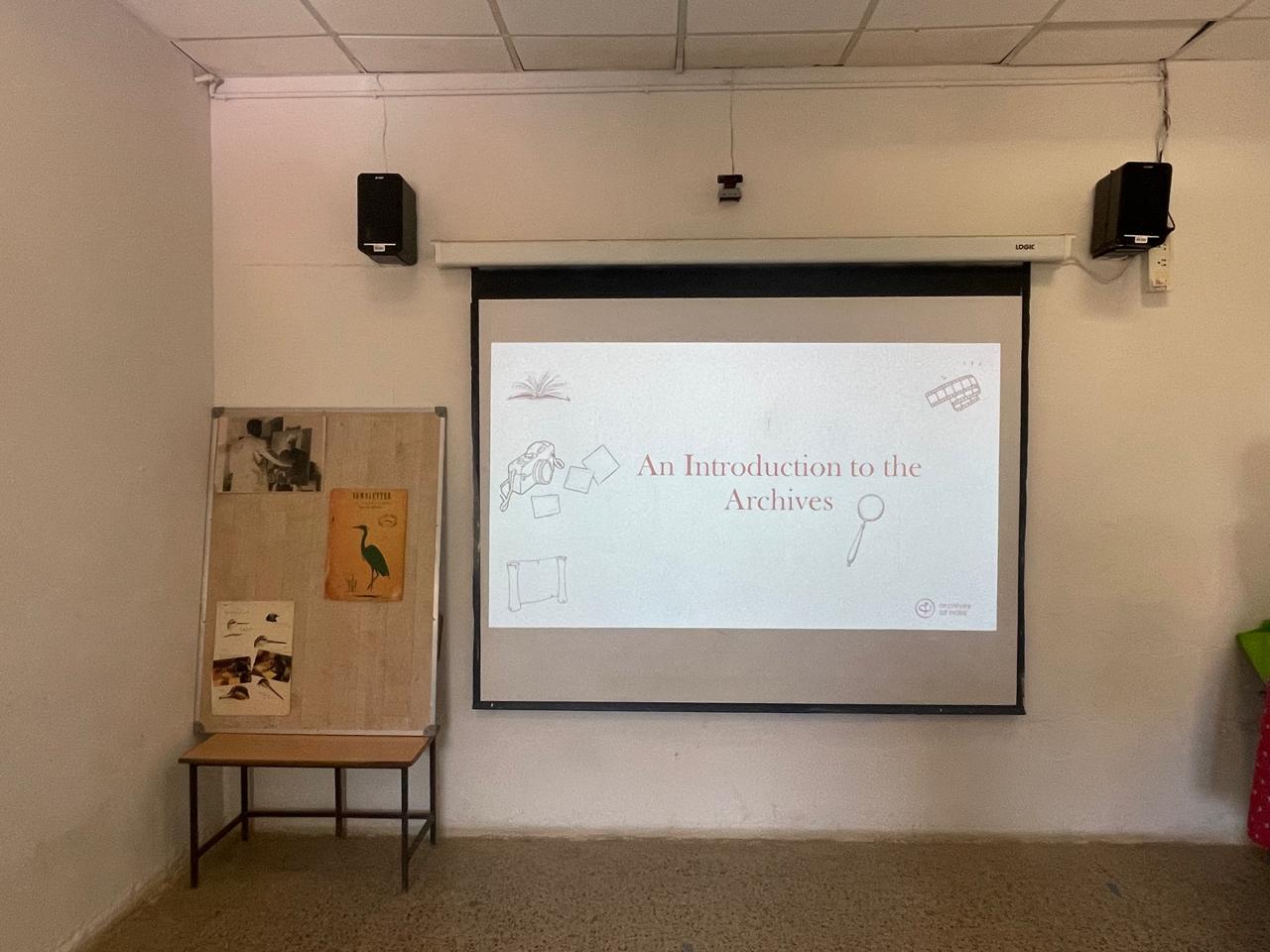
Taken during a presentation that was made to students at Parikrma Centre for Learning, Bangalore.
Do you want us to speak to the students and teachers at your school about the potential role of archives in learning?
Since 2024-26, we have visited the following schools in Bangalore city.
-
Mallya Aditi International School
-
St. Joseph's Indian Composite Pre-University College
-
Parikrma Centre for Learning
-
Bangalore International School
-
Poorna Learing Centre
Schools visit us
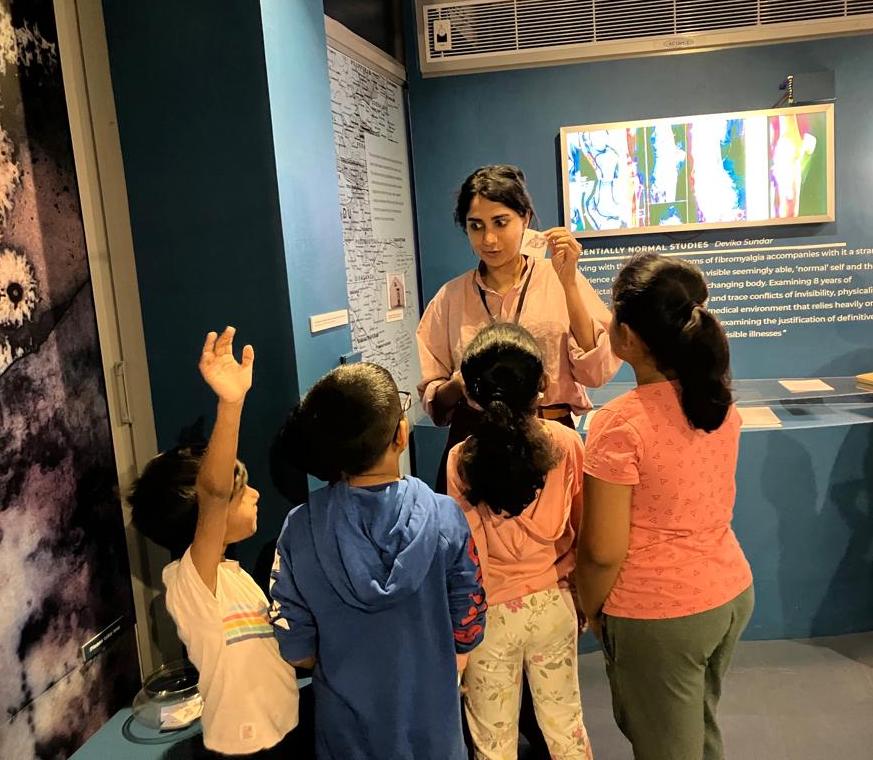
Taken during a walk-through of Bodies at Sea exhibition for Dolna students at the Archives at NCBS.
The Archives at NCBS is open to the public on all weekdays between 10 am - 5:30 pm. If you’d like your students or teachers to get a feel of the archives, understand our work and look at archival records related to the history of science, we are happy to give you a tour.
To arrange a school visit fill out this form.
Since 2024-26, we have had visitors from the following schools and institutions. We have organised walkthroughs, exhibition tours, workshops and introductory sessions to Archives.
- New Learning Centre, Raipur
- Srishti MAHE Design School
What we do
Summer Programme - 2026
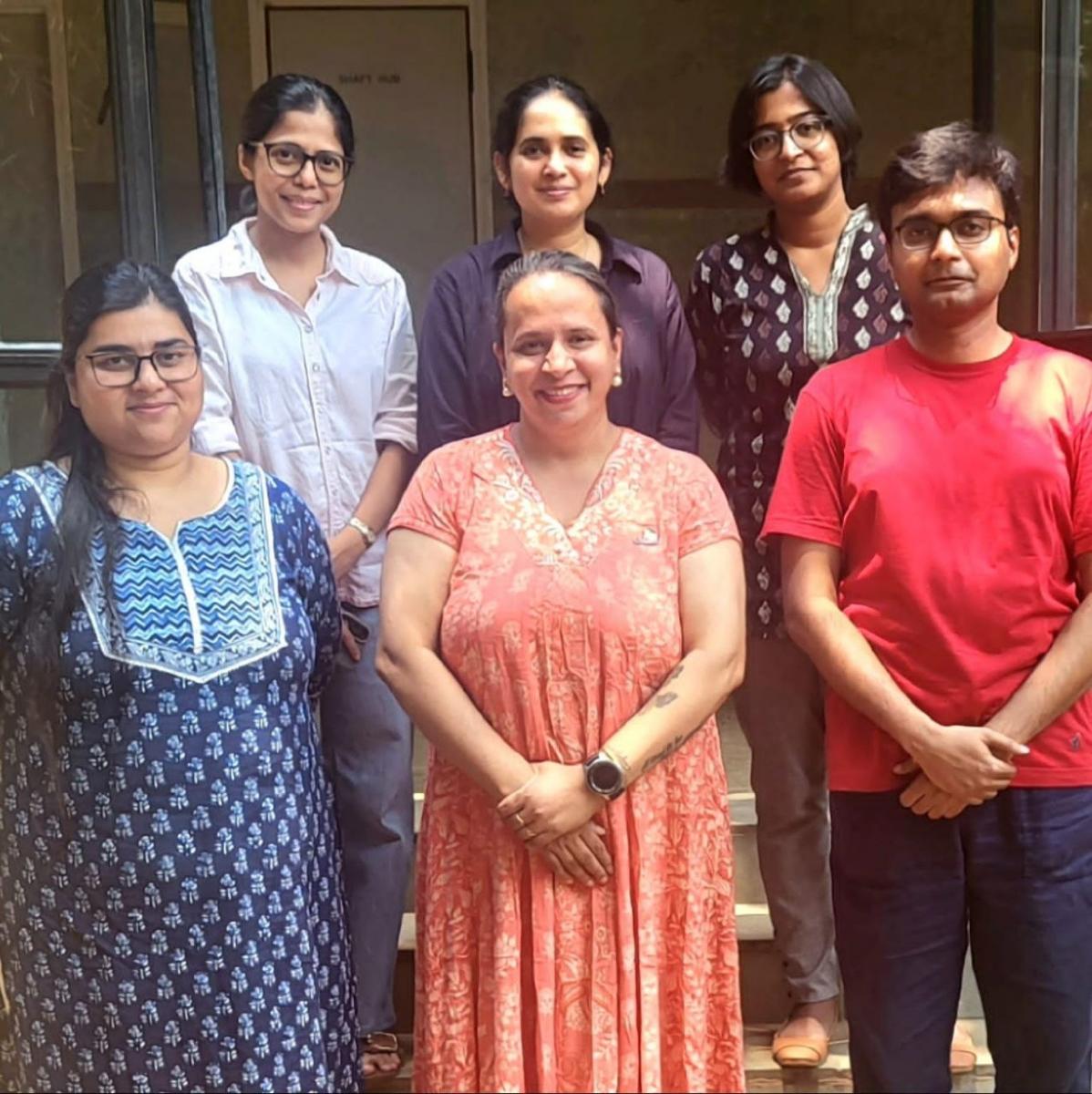
Participants from Summer Programme 2026.
Link to the call can be found here: https://archives.ncbs.res.in/archives.ncbs.res.in/mod
This initiative was aimed to develop an interdisciplinary learning module for middle and high school teachers and learners, centred around inquiry, critical thinking, and hands-on engagement with the idea of model systems. By finding parallels across the sciences, arts, and humanities, the programme invited participants to explore how models were created, interpreted, and used to understand the world around us. Through collaborative discussions, practical exercises, archival material, and reflective learning, the workshop encouraged more exploratory and participatory approaches within classrooms.
Conceived as an evolving and collaborative process, the programme emerged from a simple question: what might happen if teachers from different disciplines came together to work on a common themed module using primary and secondary sources. The initiative created a space where educators participated as facilitators, sharing their own expertise, teaching practices, and lived classroom experiences. It is still a work in progress, shaped continuously through dialogue, experimentation, and collective thinking across disciplines.
By encouraging an environment of exchange and shared inquiry, the programme aimed to support new ways of thinking about interdisciplinary learning and pedagogy within school education.
List of Participants and Facilitators: Arunan M C (facilitator), Pratik Kashiramka, Pritesh Dagur, Sahamatha (facilitator), Shresthi, Sourima Chakraborty, Trishala Worlikar in addition to Faculty + staff at NCBS and Archives Team.
Summer Programme - 2025
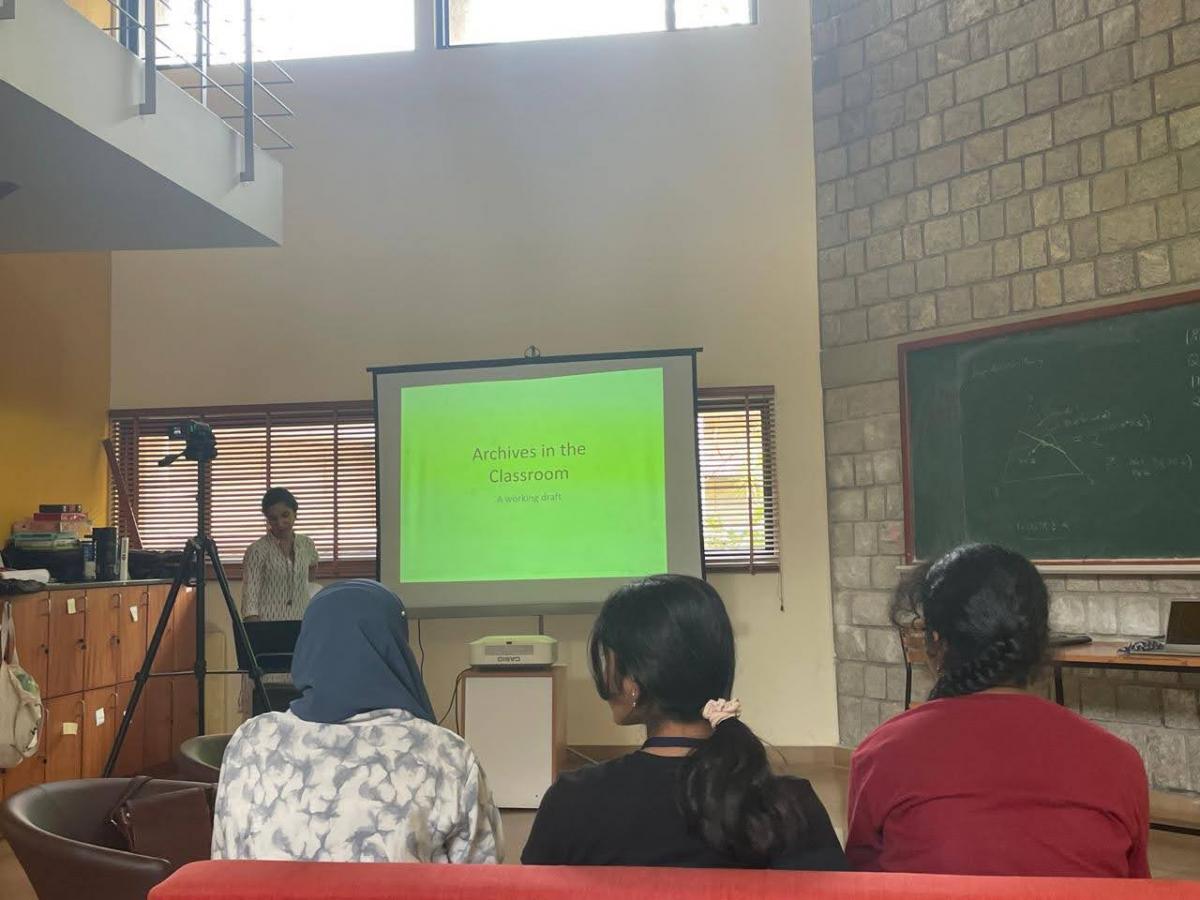
Taken during presentations by teachers during Summer Programme 2025.
Link to the call can be found here: https://archives.ncbs.res.in/sf
The Summer fellowship programme ran for three weeks between April and May at Archives at NCBS, Bangalore.
Three high-school students and three high-school teachers spend their time researching and using archival records as teaching tools. The teachers and students met and worked with archivists, historians, researchers, scientists and users of the archive. The students and teachers developed teaching plans and made presentations using primary sources from the Archives.
List of Participants and Facilitators: Amulya Shashidhar, Arun Kenath (guest-lecture), Carol Blaizy D'souza (facilitator), Hadiya Binth Fasil, Hamsiny Bhaskar Patham, Ipsa Jain (guest-lecture), Kalyani K (guest-lecture), Mohan R (guest-lecture), Sancharini Mitra (guest-lecture), Savithri Preetha Nair (guest-lecture), Shreya Khemani, S Prashant Kumar (guest-lecture), Ria D, Vaishnavi, in addition to Faculty + staff at NCBS and Archives Team.
A link to Shreya Khemani's presentation can be found here: https://www.youtube.com/watchv=prkoE8k_gfw&list=PL42P6prB3Bu9iJr77aM6yJNqPdBPI71iM
Activities, events and workshops
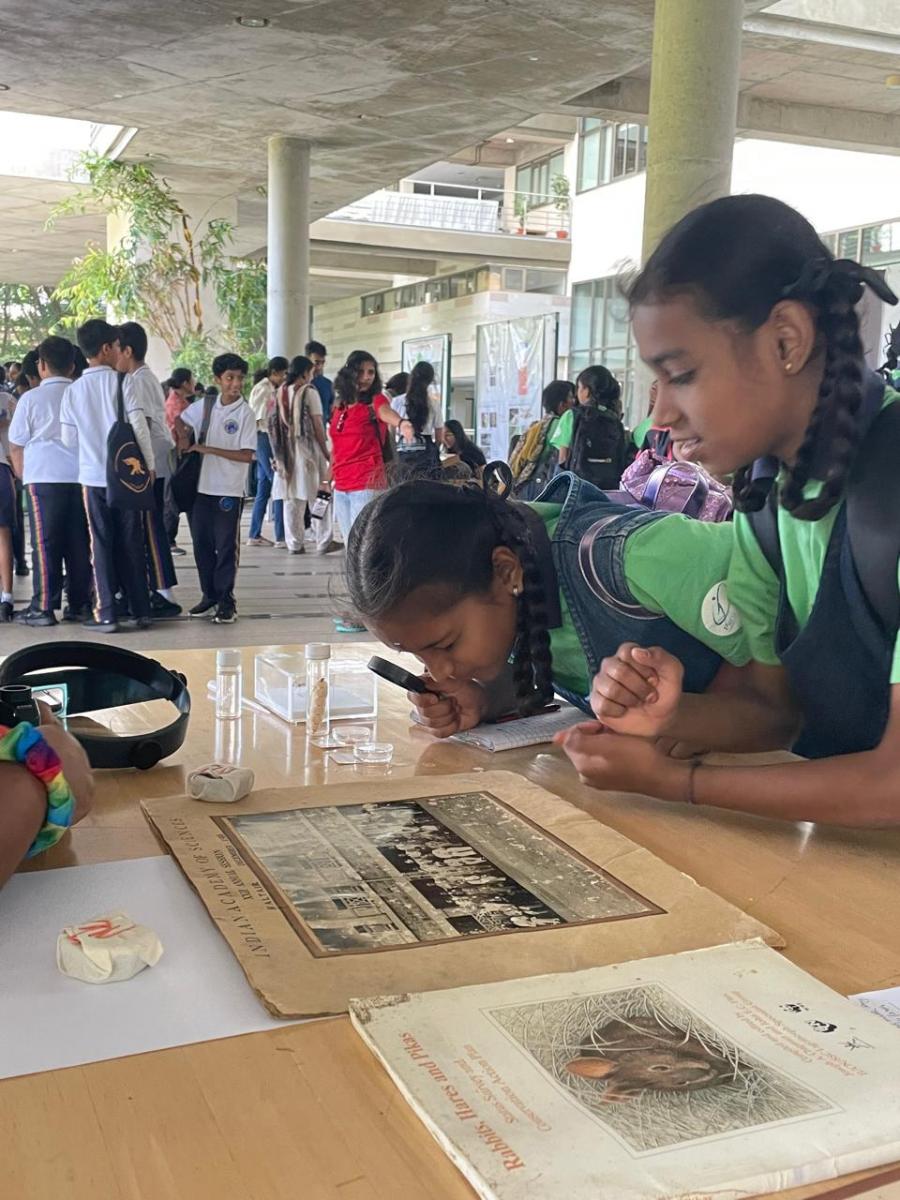
Students examining specimens and damage from common pests in the Archives. Taken during Moth-Day at NCBS in 2025.
A Workshop for Teachers on Science Playwriting Using Archival Material - 2025

Participants of Science Playwriting workshop.
Link to the call can be found here: https://archives.ncbs.res.in/scienceplay
The workshop was organised with the intention of bringing together science and the arts through creative and reflective learning. It encouraged teachers to think about science beyond textbooks and laboratories, and to explore it through stories, history, theatre, and lived experiences.
Participants engaged with archival materials such as field notes, photographs, letters. These records opened up conversations around the people, emotions, and social realities behind scientific work. Using these materials as inspiration, participants explored ways of developing science plays and narratives.
The sessions included discussions, archive reading exercises, creative writing, and theatre activities. Participants reflected on how storytelling and performance can help communicate scientific ideas in more engaging and accessible ways.
By the end of the programme, participants had developed ideas for performances and classroom practices that connect science with creativity, history, and society.
Overall, the workshop offered a collaborative space for teachers to experiment with new ways of engaging with science through the arts and archives.
List of facilitators and participants: Adithya Bharadwaj N, Deepak D H, Diana Aron, I K Bolwar (facilitator),Prakash V Gudnavar, Sahamatha (facilitator), Samira Sheikh (guest lecture), Santosh Nayak Patla, Shashidhara Bharighat (facilitator), Shashidhara Dongre (guest lecture), in addition to Faculty + staff at NCBS and Archives Team.
Below you can find a set of plays written by teachers who participated in the Science Playwriting Workshop at Archvies at NCBS in 2025. The plays are in Kannada and English and are based on stories and ideas that emerged from archival collections from Archives at NCBS.
The authors are Aditya Bharadwaj N, Deepak DH, Diana Aron, Prakash V Gundnavar and Santosh Nayak Patla.
Open Day at Archives -2025
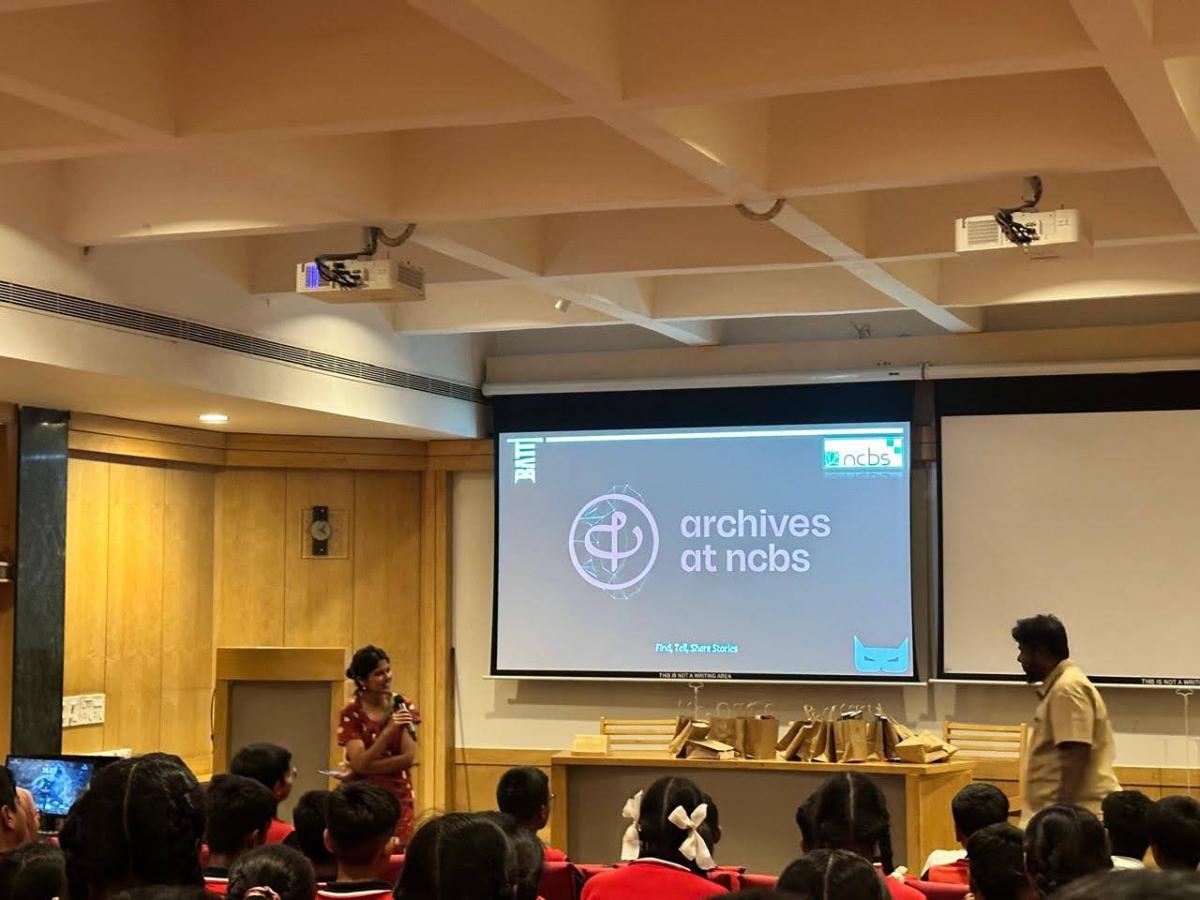
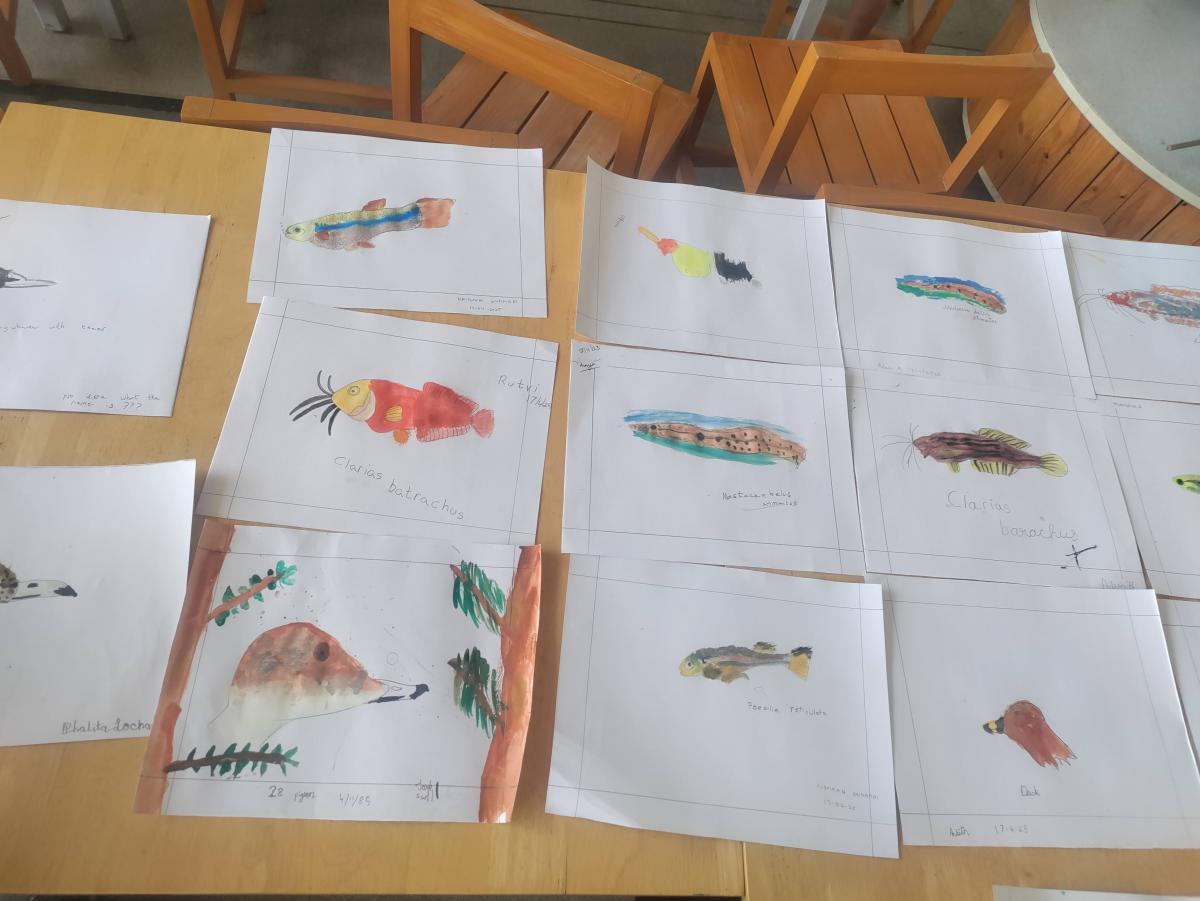
Images from Open Day for Schools at Archives at NCBS.
Archives at NCBS hosted a range of talks, activities, workshops, nature walks, lab visits and a History of Science quiz in April as part of the ongoing Archives in Education programme.
Meet the Team
The Education Officer at Archives at NCBS works with the team to develop educational material using the archival collections at the Archives and coordinate an education programme focussed on schools. Read more about the position here: https://archives.ncbs.res.in/education
Carol Blaizy D'Souza
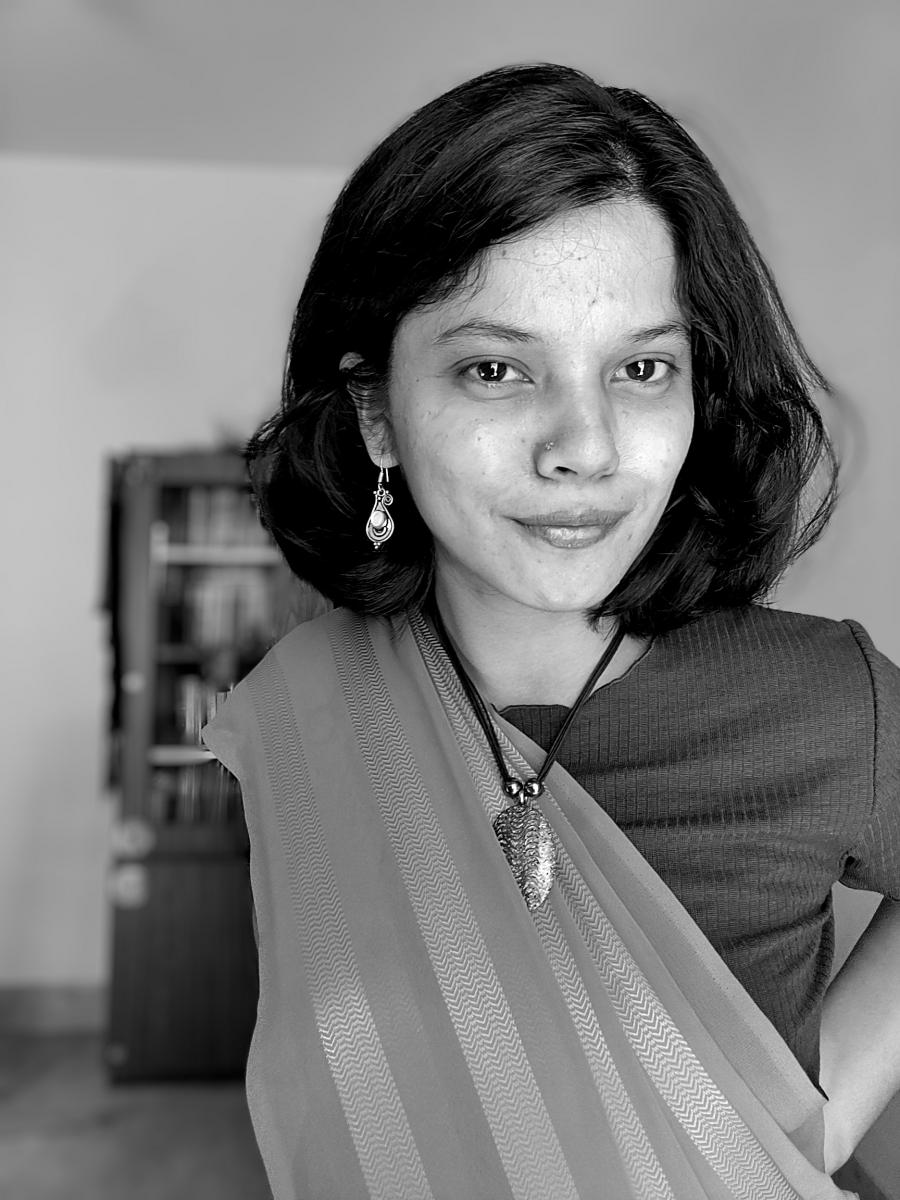
Carol was an education officer (2024-25) at the Archives working towards developing curricular material using the archival collections and coordinating an education programme focussed on schools. Carol is a researcher, poet and translator from Bangalore. A collation of her work can be found here, https://linktr.ee/cblaizd
Sahamatha

Sahamatha worked as Education Officer (2025-26) at the Archives at NCBS. With experience as a researcher and content designer at Kishore Bharati, IISER Pune, Shabad Shaala (an initiative by the Kabir Project), and the Eklavya Foundation, Sahamatha's work focuses on research, developing educational resources, and creating inclusive learning contexts for diverse learning communities across formal and informal settings. She is interested in interdisciplinary learning practices and often immerses herself in listening to local stories, songs about the land, wildlife, and people. This interest has led her to study learners' ideas in remote villages of Maharashtra, collaborate with folk musicians from Rajasthan, Kutch and Malwa, and work with fishing communities in coastal Karnataka on human–marine mammal interactions. As a theatre artist, she has directed, designed, written, and acted in numerous productions, using artistic practice to question inequality.
Anjali Ramachandran
Anjali works as a Senior Archivist and coordinates archival processing, internships and the education programme at the Archives. Write to Anjali (anjalir@ncbs.res.in) to know more about the Education Programme and to find ways to collaborate.
***



